
CONTACT US

Updated on: 2026-10-08
Petrol chainsaws for robust cutting can be a solid choice when you need reliable power for demanding jobs. The best results usually come from matching the saw to the material, using the right chain and bar setup, and maintaining proper chain tension and lubrication. With good technique, regular cleaning, and safe start-up habits, you can reduce stalling and improve cutting efficiency. This guide explains common issues, practical comparisons, and simple recommendations to help you choose confidently.
When you are working with thicker timber, tough branches, or frequent yard clean-ups, choosing the right tool matters. Petrol chainsaws for robust cutting are designed to deliver steady cutting power, especially when jobs run longer or the material is not very forgiving. That said, performance depends on more than fuel type. Chain sharpness, bar choice, lubrication habits, and safe technique all play a big role in how smoothly your saw cuts.
In this article, you will find practical guidance on what commonly goes wrong, how to compare petrol chainsaws with other options, and how to set up and maintain your machine for dependable results. If you want a saw that feels responsive under load, the tips below can help you move from frustration to control.
Even when someone buys a capable petrol chainsaw, a few predictable problems can show up during real-world use. The good news is that most issues have clear causes and workable fixes.
If your chainsaw struggles when you lean into the cut, it often comes down to the chain setup and your cutting approach. A chain that is dull or incorrectly filed can increase friction and load the engine. Chain tension that is too loose may cause the chain to slip, while too tight a tension can drag and overheat components.
A helpful adjustment is to check the chain condition before heavy work. Verify sharpness, confirm the correct drive links and chain size for your bar, and ensure the chain is lubricating properly. If the saw still bogs, examine your start-up procedure and idle settings. A stable idle helps the engine transition smoothly as cutting load increases.
When the cut line wanders, the chain often has inconsistent tooth shape or uneven filing angles. Another contributor is inconsistent bar contact, especially if you cut while applying sideways pressure. Petrol saws can cut aggressively, and small technique changes can affect straightness.
To improve alignment, focus on steady guide-bar contact and a controlled feed rate. Keep the chain sharp and maintain the same filing angles across teeth. If your chain has depth that varies from tooth to tooth, even a powerful engine cannot compensate well.
Vibration can increase operator fatigue and make precise cutting harder. Common causes include dull chain, improper chain tension, and worn dampening components. Less obvious causes can be incorrect assembly or uneven bar wear.
A practical approach is to inspect the bar rails and sprocket condition. If the bar shows uneven wear, flipping or replacing it may help. Also, ensure the chain is correctly seated on the sprocket and bar. Over time, regular inspection can reduce vibration and keep your cutting strokes more comfortable.

A STIHL petrol chainsaw in action, cutting timber on a sawhorse.
Chain lubrication is essential for smooth cutting and chain life. If you notice dry streaks on the timber or the chain seems hot, the lubrication flow may be weak. This can happen due to blocked oil channels, incorrect oil type, or a misadjusted oil pump.
Check the oil reservoir and ensure you are using the recommended oil for your saw. Clean the oil ports and inspect the bar groove for debris. When lubrication is correct, the chain should move without unusual friction, and the bar should not run “dry” during typical cuts.
Many buyers want to know whether petrol chainsaws for robust cutting are truly worth it for their needs. The best choice depends on job length, power demands, and how often you plan to use the tool.
| Option | Strengths | Trade-offs |
|---|---|---|
| Petrol | Strong performance under load, good for frequent or demanding cutting | Requires fuel management, periodic servicing, and careful start-up |
| Corded electric | Often simpler to run, consistent power for lighter to medium tasks | Cord limits range and can be inconvenient outdoors |
| Battery | Low noise, easy starting, convenient for short jobs | Runtime and cutting intensity can be limited by battery capacity |
If you regularly cut thicker timber, handle storm clean-up, or need power that stays strong for longer sessions, a petrol chainsaw is often the more practical tool. It can also help when you work in places where cords are impractical and you do not want to manage battery swaps.
That said, petrol performance is only “robust” when the saw is set up well. Chain sharpness, correct lubrication, and healthy engine tuning often decide whether the saw feels smooth or frustrating.
To get dependable results, treat setup as an ongoing routine. Small checks before work can prevent major slowdowns later.
Chains are not one-size-fits-all. If you do heavier work, a correctly sized chain and bar can reduce binding and help chips flow. For trimming and lighter material, a different chain profile may feel more controlled.
Look for a chain that suits the bar length you use and confirm it matches your saw’s specifications. When the chain is built for the job, you usually notice smoother cuts, less overheating, and better chip patterns.
Correct tension supports smooth cutting and reduces chain wear. Too loose can slip and create rough cuts. Too tight can increase friction, strain the drive system, and reduce cutting efficiency.
Check tension at suitable intervals, especially after the first minutes of cutting. Chain links expand slightly as they warm up, and a quick adjustment can prevent later problems.
Even with good equipment, cutting style influences output. A steady feed rate can help the chain cut rather than grind. If you push too quickly, you may overload the engine and reduce chip quality.
A gentle, controlled approach can often feel slower at first, but it tends to reduce stalling and helps you finish faster overall. When your saw is sharp and properly lubricated, it should cut with less force.
Robust cutting is also about safe positioning. Clear the area so you do not cut into obstacles, and plan your stance to avoid awkward body angles. A firm footing helps you keep the bar steady and reduce fatigue.
Hearing and eye protection are often wise for chainsaw work. A well-fitted respirator can also support comfort when dust is present in the area.
If you are preparing for dusty outdoor clean-ups or yard jobs, you may also find it useful to explore respiratory protection options from Vanguard G4 powered air respirator kits.
For long-term performance, think of maintenance as part of safe operation. It keeps cutting smooth, helps reduce unexpected stops, and supports comfortable control.
Before you start cutting, take a brief moment to check the essentials:
These checks do not need to be time-consuming. When you catch problems early, you often avoid larger issues later.
Sap, dust, and debris can gather around the bar, sprocket, and air intake areas. Over time, buildup can reduce airflow and make the saw run less smoothly. Cleaning at suitable intervals supports stable engine behaviour.
A practical habit is to remove debris carefully and keep the bar area clear. If you notice chips turning into very fine dust, that can be a sign the chain is dull or friction is increasing. Addressing that early can help prevent deeper wear.
How often you sharpen depends on your material and workload. Cutting dirt-contaminated wood usually dulls quickly. When your chain loses sharpness, cutting may require more force, and chips may become smaller and less consistent.
Aim for consistent tooth shape and correct filing angles. If you are unsure, a straightforward sharpening routine can still improve performance. The main goal is to restore cutting ability and reduce drag.
Petrol engines benefit from periodic care. Replace worn components when needed and use the correct fuel and oil mix practices recommended by the manufacturer. A well-maintained engine typically starts more reliably, runs smoother at idle, and responds better under load.
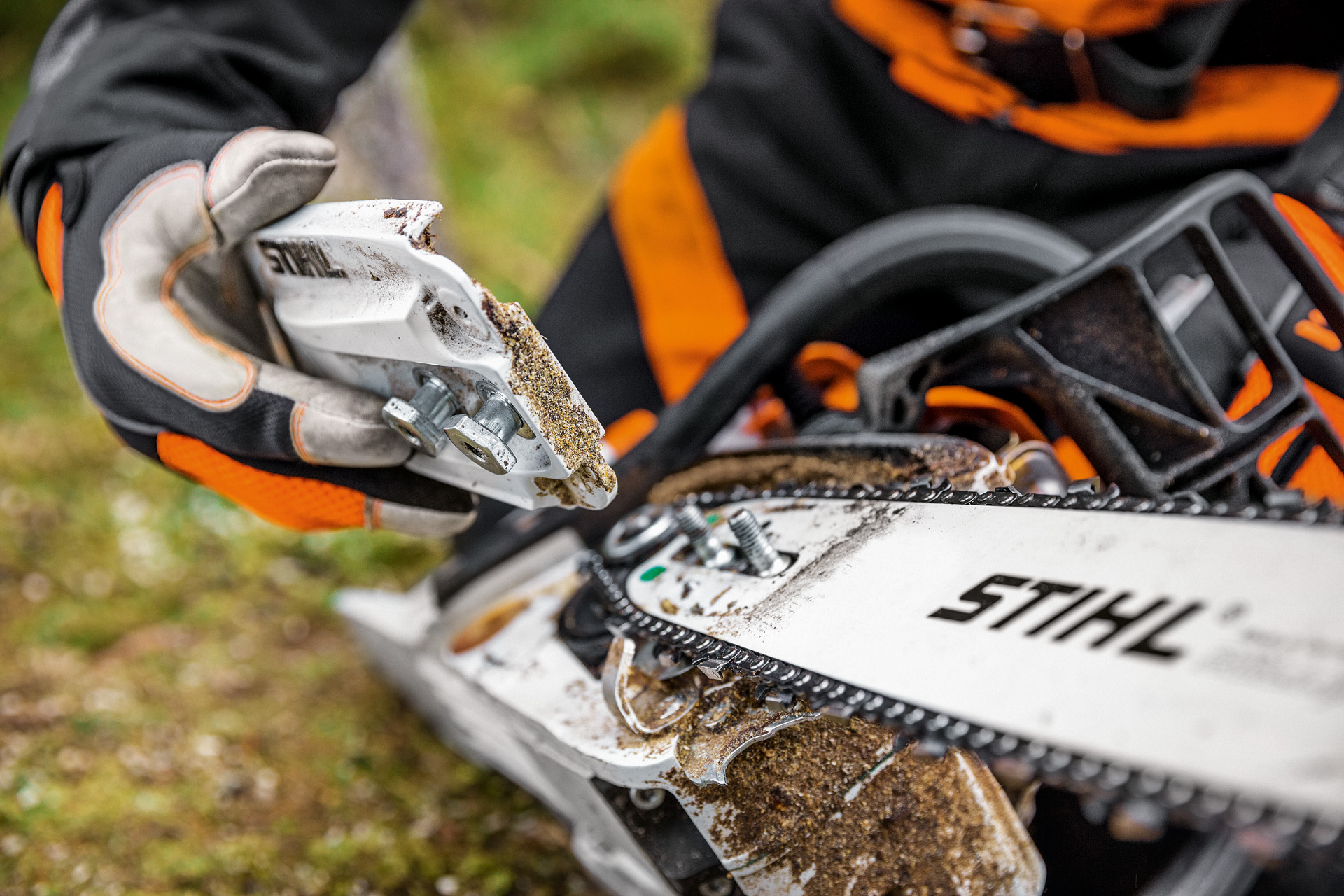
Hands-on STIHL MS 261 C-M maintenance with the sprocket cover removed.
After cutting, debris can build up and create slips or slow down the next job. Cleaning the work area also helps you spot hazards like loose bark or branch ends.
If you use the chainsaw alongside broader yard maintenance, you might consider cleanup equipment such as a battery vacuum cleaner for yard debris to support tidier turnaround times.
Petrol chainsaws for robust cutting can provide strong performance for heavier timber work, especially when you use a correct chain and bar setup. The most noticeable improvements often come from practical basics: sharp teeth, proper tension, reliable lubrication, and a controlled feed rate. When the saw is set up well, it cuts with less friction and fewer frustrating stalls.
If you are comparing tools, consider your typical job size and how long you work between breaks. Petrol often suits frequent or demanding sessions, while electric and battery options may feel better for lighter, shorter tasks. Whichever you choose, routine checks and safe technique make a meaningful difference.
For best results, take time to inspect the chain before starting, keep oil flow consistent, and clean debris from the bar area. With a thoughtful routine, you can support smoother cutting and more confident control.
If you would like to browse related equipment and yard tool accessories, you may also explore current Stihl promotions to see what is available.
Common signs include slower cutting, rough or uneven grooves, smaller dry chips, and the need to apply extra force to keep the cut moving. If the saw seems to bog down more easily than usual, the chain may be losing sharpness even if the engine still starts normally.
Start with chain tension and sharpness, since excessive friction is a frequent cause. Next, verify lubrication flow and clear any debris around the bar and oil channels. If the chain and lubrication look correct, consider idle behaviour and whether the saw is starting cleanly before you apply load.
Sharpening is often the first step if the chain is still in good structural condition. Replacement may be more practical if the chain is excessively worn, damaged, or has irregular tooth shapes that cannot be corrected reliably. A quick inspection of the chain’s overall condition can guide the best choice.
Use a controlled feed rate and avoid pushing sideways. Ensure the chain teeth are filed evenly and that the bar is clean and correctly fitted. Keeping steady guide-bar contact and maintaining proper chain sharpness typically helps you follow your intended cutting line.
Disclaimer: This article is for general guidance only. Always follow the specific instructions in your chainsaw manual, use appropriate safety equipment, and operate tools according to local regulations and manufacturer recommendations. If you are unsure about any adjustment, inspection, or maintenance step, consider consulting a qualified service professional.


Betontools Australia supplies over 20,000 items including complete range in Diamond Tools, Concrete Tools, Concrete Repair, Remedial Works, Bricklaying Tools, Tiling Tools, Rendering and Plastering Tools, Access Equipment including Ladders and Scaffolding, Industrial Tools, Power Tools, Laser Levels, Water pressure cleaners, and accessories. Shop with peace of mind and security knowing your item is fully backed up if anything goes wrong... So whether you're a seasoned Online Shopper or it's your first time, we promise to make each any every purchase a rewarding experience. If you have any questions or require any tools that are not listed in our store please feel free to contact us so we can assist you. Our aim is to earn your business, no gimmicks, and no tricks – Just our 100% customer commitment to sales and after-sales service.
{"one"=>"Select 2 or 3 items to compare", "other"=>"{{ count }} of 3 items selected"}