
CONTACT US

Updated on: 2026-10-15
Professional maintenance tools help tradespeople keep equipment reliable and ready for real work. With the right tools, routines like inspection, cleaning, lubrication, and calibration become simpler and more consistent. When maintenance is easier, you can reduce downtime and improve safety habits. This guide explains what to look for and how to build a practical maintenance workflow that fits your day-to-day tasks.
1. Why Maintenance Tools Matter
2. Product Spotlight: Build a Core Maintenance Kit
3. Did You Know?
4. Pros & Cons Analysis
5. Visual Support
6. How to Choose Professional Maintenance Tools
7. Visual Support
8. A Simple Maintenance Workflow
9. FAQ
Every job has its pace. Tools must work with that pace, not against it. When equipment is not cared for, small issues tend to grow into bigger ones. That is where professional maintenance tools play a meaningful role. They support regular checks and careful upkeep, so you can catch wear early and keep performance steadier.
Maintenance is also part of safe working habits. Many failures come from dust buildup, loose fasteners, worn parts, or clogged airflow. The right maintenance approach helps you reduce these risks. It also supports cleaner work areas, since cleaning tools and accessories can be used consistently rather than only when problems appear.
Another benefit is consistency. When the same reliable tools are used for routine tasks, maintenance becomes repeatable. That helps you standardize your process across different pieces of equipment, whether you focus on power tools, outdoor equipment, or jobsite instrumentation.
A strong starting point is a core kit that supports cleaning and air management for common jobsite needs. For example, respiratory protection maintenance can be supported with tools and accessories designed for care and upkeep. If you work around dust, fine particles, or dry debris, taking time to maintain your protective equipment helps you stay prepared.
One option to consider is the Vanguard G4 powered air purifying respirator kit. In many workflows, systems like this are used repeatedly across tasks. That means maintenance routines matter, such as checking components, keeping airflow paths clear, and following the care steps that come with the equipment.
Beyond respiratory care, a core maintenance kit often includes simple items that many teams overlook: brushes, cleaning cloths, inspection lights, and basic calibration accessories for equipment that needs to be kept accurate. These tools help you turn maintenance into a short routine rather than a last-minute scramble.
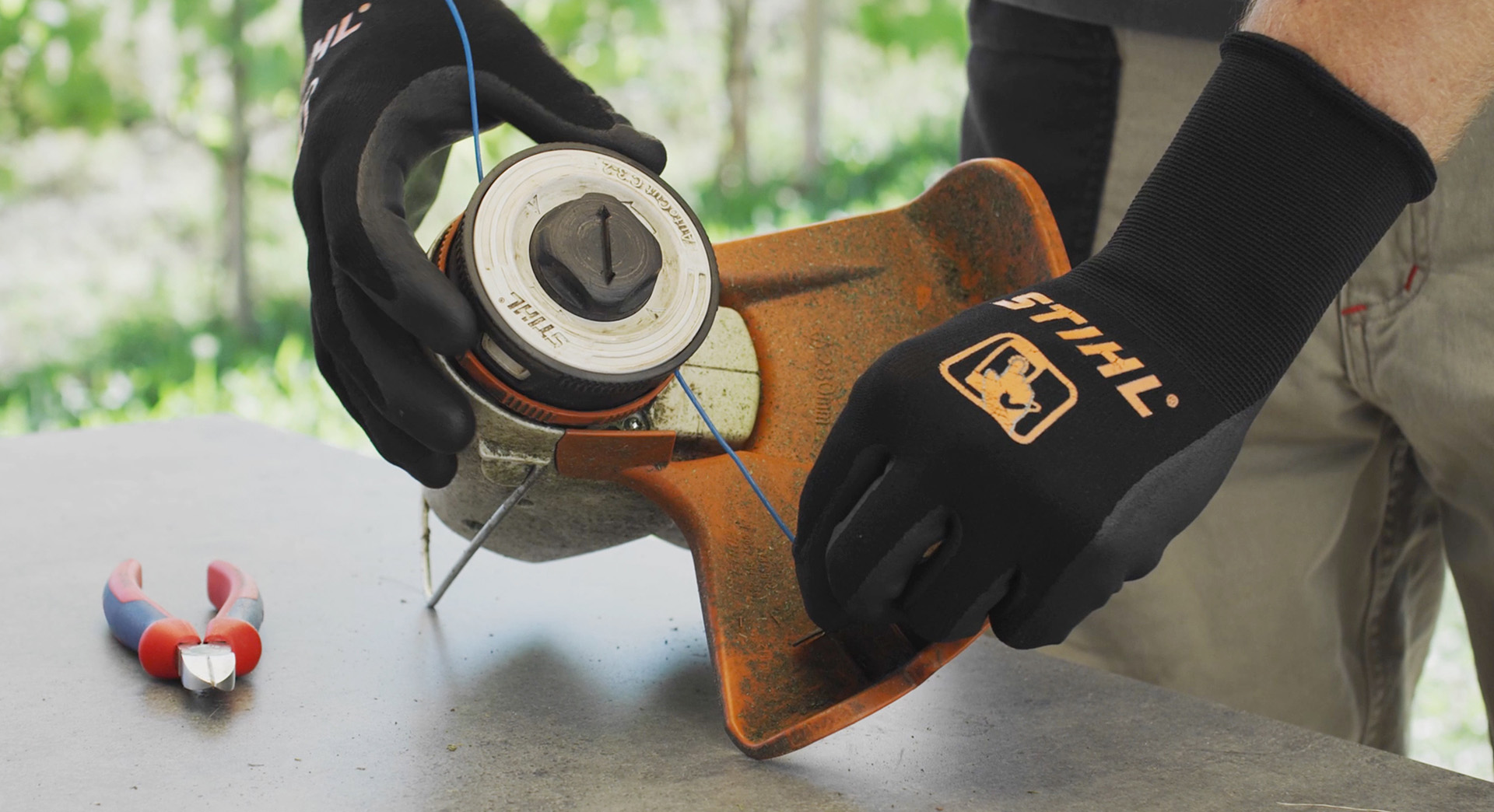
Hands-on STIHL grass trimmer maintenance: replacing the cutting line.
| Approach | Pros | Cons |
|---|---|---|
| One all-purpose kit | Simple setup, easy training for new staff, fewer missing items. | May not cover specialized tasks or detailed calibration steps. |
| Task-based tool grouping | Better match to real routines, easier to track usage and replenishment. | Requires some planning to keep categories consistent. |
| Supplier-guided maintenance plan | Helps you align care with manufacturer recommendations. | Can feel time-consuming until routines are established. |
When people talk about maintenance, they often focus on outcomes. Visual support can help teams understand the process. Consider creating a simple layout that mirrors your workflow. That way, each routine becomes easier to follow and less likely to be skipped.
Choosing the right tools is not only about buying more. It is about matching your tools to the way your work actually happens. Here are practical criteria to consider.
Think about what you maintain most. If your workflow includes outdoor equipment, you may care about keeping components clear and protecting airflow. If your work includes instrumentation, you may prioritize calibration and storage that protects accuracy.
For example, if you regularly handle robotic lawn care and want to support upkeep, you might explore related equipment categories from imow® robotic mowers. Even when your focus is maintenance tooling, these product categories can help you identify which routines are most relevant to the devices you use.
Maintenance work is repeated. Tools that are comfortable to hold and built for repeated handling tend to be used more often. That matters because the most advanced routine plan still depends on daily practice.
Where possible, tools should be compatible with the equipment you own. A mismatch can lead to poor results or frustration during routine checks. If you are building a team setup, compatibility is also a training advantage.
Storage affects follow-through. When tools are easy to find, maintenance routines are easier to complete. Consider using labeled sections, simple trays, or a small system that keeps frequently used items within reach.
Budget planning can support better maintenance habits. If you enjoy seasonal pricing or bundle offers, you can review relevant promotions at STIHL promotions. Treat deals as a way to fill gaps in your existing kit rather than starting from scratch each time.
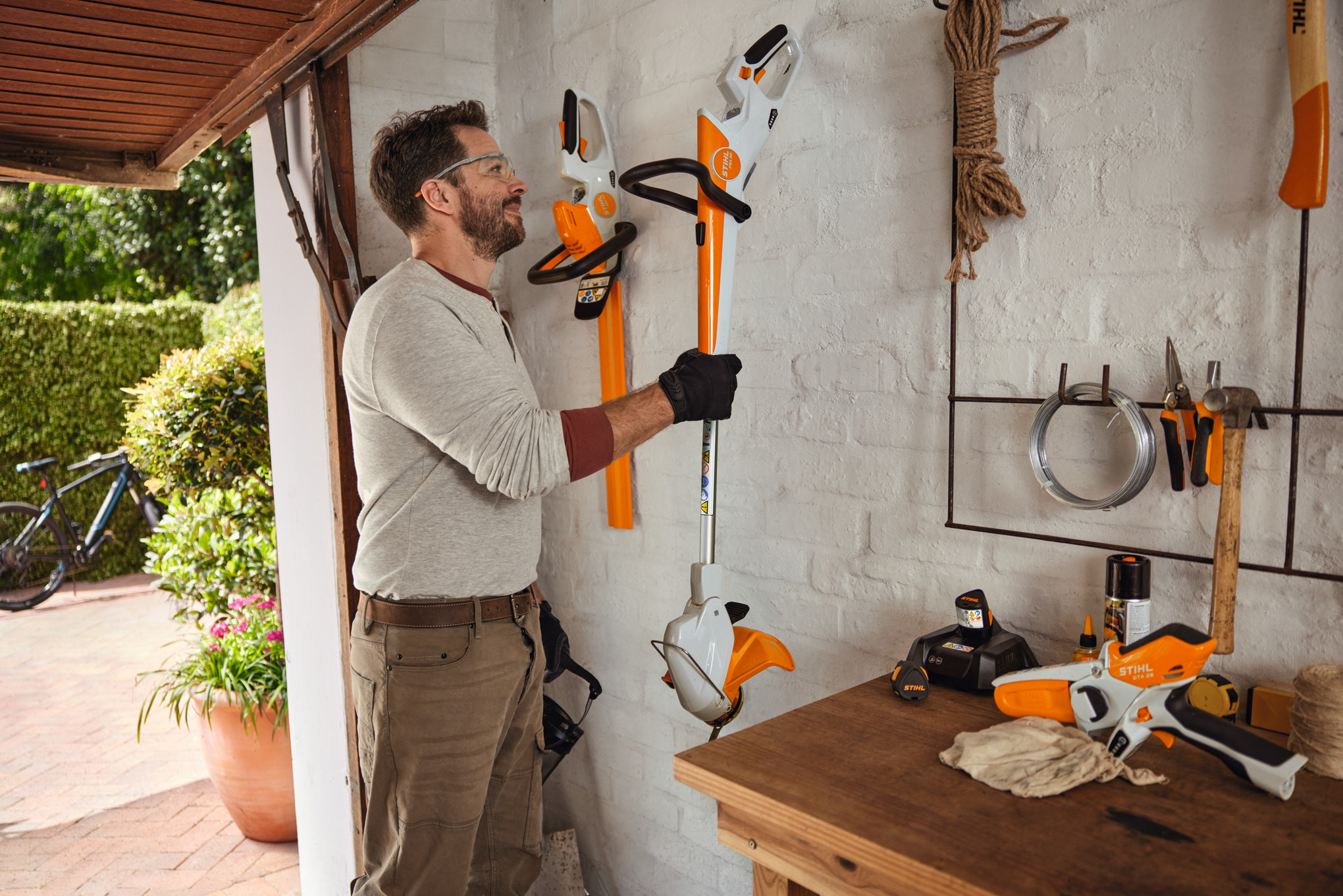
Storing a STIHL FSA 30 grass trimmer neatly in the workshop after use.
A well-organized maintenance setup can reduce friction. Visual design does not need to be elaborate. It only needs to help people locate the right tools quickly and understand the purpose of each routine.
A maintenance routine can be short and still effective. Below is a workflow many teams find practical. It is written to be flexible, so you can adapt it to different job types.
Start with a brief look. Check for visible damage, unusual wear, and loose connections. If your equipment works near dust or debris, watch airflow and intake areas. If anything looks out of place, pause before continuing.
Cleaning should support performance, not only appearance. Use brushes and cloths to remove buildup from areas where airflow or movement depends on clear paths. Keep cleaning tools in the same location so you can grab them without delay.
Some components benefit from scheduled lubrication, while others require protection from moisture and corrosion. Follow the guidance for your equipment. When you stay consistent, you reduce the chance of applying the wrong product to the wrong part.
For equipment that affects measurement or alignment, a routine check can help maintain reliable output. Calibration routines vary by tool, so it helps to document the steps your team uses most often.
Storage is part of maintenance. Keep tools in clean conditions and avoid cramped storage that leads to knocks and scratches. If your team shares tools, consistent storage also improves accountability.
If you are building your professional maintenance tools plan, you can also use learning from tool communities and training materials. Many teams find it helpful to record simple notes about what worked well after each job type. Over time, this supports better planning and fewer surprises.
Finally, remember that maintenance is not a one-time action. It is an ongoing practice that helps protect your investment, your team, and your work quality. A gentle, consistent approach often beats sporadic deep clean sessions.
To explore more jobsite tool categories that support building and care routines, you may also review light construction equipment for ideas on how teams typically manage upkeep across different devices.
They are tools and accessories used to inspect, clean, adjust, and care for equipment during routine upkeep. In practice, they can include cleaning tools, inspection aids, storage supports, and calibration-related items that help equipment stay reliable.
Many teams use a quick inspection before use and a more detailed routine after heavy tasks or at regular intervals. The best schedule depends on how often you work, the environment (dust, moisture, heat), and what the equipment’s guidance recommends.
No. A smaller, focused set often works best when it matches your most common tasks. When your tools are organized and easy to access, maintenance routines tend to happen more consistently.
Start with tools that support cleaning and safe inspection, since they help you spot problems early. Then add items that match your equipment’s needs, such as calibration supports or specific protective-care accessories. As your routine becomes clearer, you can fill remaining gaps.
Disclaimer: This article offers general guidance about equipment maintenance practices and tool selection. Always follow the manufacturer instructions and safety guidance for your specific products and work environment.


Betontools Australia supplies over 20,000 items including complete range in Diamond Tools, Concrete Tools, Concrete Repair, Remedial Works, Bricklaying Tools, Tiling Tools, Rendering and Plastering Tools, Access Equipment including Ladders and Scaffolding, Industrial Tools, Power Tools, Laser Levels, Water pressure cleaners, and accessories. Shop with peace of mind and security knowing your item is fully backed up if anything goes wrong... So whether you're a seasoned Online Shopper or it's your first time, we promise to make each any every purchase a rewarding experience. If you have any questions or require any tools that are not listed in our store please feel free to contact us so we can assist you. Our aim is to earn your business, no gimmicks, and no tricks – Just our 100% customer commitment to sales and after-sales service.
{"one"=>"Select 2 or 3 items to compare", "other"=>"{{ count }} of 3 items selected"}